

Reputation Management as Services for Brands that Demand Consultation
Most of the time, it isn’t about having too few places to advertise. Confusion hits when people can’t quickly grasp what a company stands for, its reason for existing, or how it differs from others.
And the gap gets filled by shaping a clear identity over time. Yet the real effort lies in making meaning obvious without forcing it.
Thousands flow into ads, yet hopes ride on SEO. Yeah, SEO ain’t dead; it just upgraded! Websites rise alongside posts shared online. Growth waits behind emails sent one after another.
Hopes tie to clicks that might come, and attention is chased through screens lit at night. Expectations grow with every blog posted. Visibility becomes a game of timing and luck.
Sometimes it does work. But marketing becomes expensive if messaging stays thin. Instead of shouting louder, some brands just push harder without adding clarity.
Leading to create noise that increases while meaning slips away. Too much energy into actions that barely speak.
On one site, it looks like this, yet somewhere else it shifts shape entirely.
Out here, it echoes what others keep saying. Same tune, to be fair.
That ad stuck in people’s minds - just not the name behind it.
Yet those selling worse items still come out ahead when their message clicks faster.
Too much chaos and work, so what stops it then?
Brand development.
People come back only when they feel connected to brands. Recognition builds when customers see consistency across every part. It forms slowly through repeated positive experiences.
Ever notice how certain products stand out even on crowded shelves? That is not just luck.
Behind those cases are teams that focused on presence before profits. Long-term thinking shapes long-term results. Through more than just symbols or how things look on a screen.
Yet it's the choices behind a company’s image that decide its reputation, define what sticks in people’s minds, or leave them ignoring it completely.
A powerful brand earns the loyalty that every company hopes to achieve one day.
At My Consumer Brand, we help consumer brands, DTC companies, CPG businesses, B2B organizations, and growth-stage startups build brands that people recognize, trust, and return to. Digging deep into brand identity services with strategies that work.
Let’s understand how and why brand development services in LA work, why you need to interact with customers, and how value grows naturally.
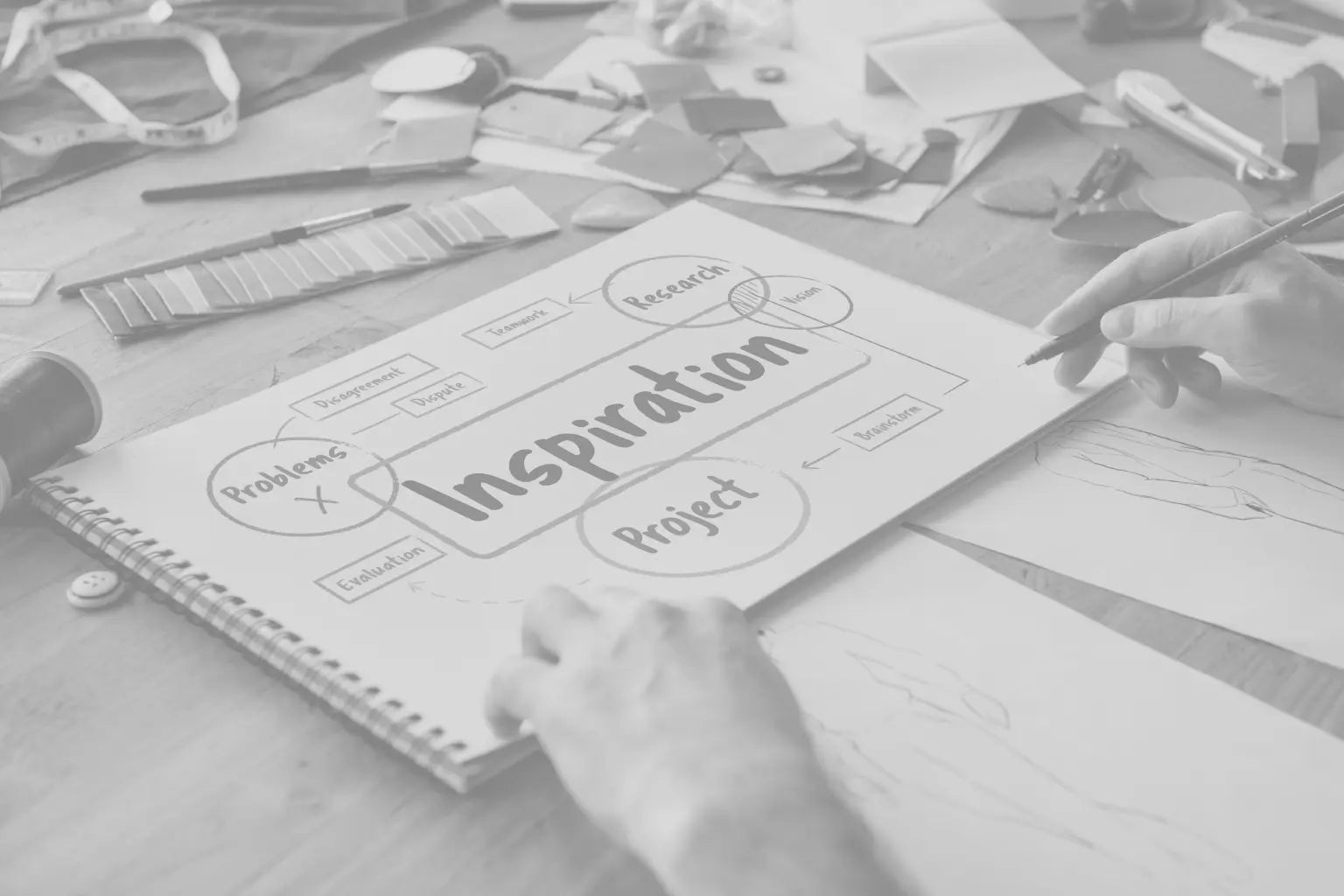
What Are Brand Development Services?
People and positioning demand attention to detail. What sticks in people's minds about a company doesn’t happen by accident.
Shaping that picture on purpose - that’s what building a brand really means.
Memory plays a big role, sure, yet feelings matter just as much.
Experience guides perception more than slogans ever could.
Brand development turns a simple name into a relevant one.
Brand strategy keeps design on its side, then grows through careful brand care - tackling key questions along the way, which asks:
- This brand - what kind of person fits it best?
- Why does this stand apart from all other options out there?
- How ought someone react upon meeting it?
- What makes buyers believe in its reliability?
- What builds trust more deeply as days go by?
Brand development services typically include:
- Brand Strategy: A strong brand begins by staking out its place in people's minds. Yet it grows clearer when it stands apart from others doing similar things.
- Brand Identity: Listening closely shapes how well it connects with real needs. Instead of chasing every trend, smart moves come from spotting gaps in the market. Over time, choices add up to a path that feels consistent.
- Brand Consulting: Out of clarity grows a look and voice shaped by purpose, showing up wherever people meet the name. Each detail ties back, not through chance but through design, building recognition without saying it aloud. Shape follows thought, then repeats itself where eyes land. Words pair with colors because meaning needs both. Consistency isn’t forced, just clear in its repetition. Recognition builds slowly, each moment linked to the last.
- Brand Reputation Management: When companies grow, move into fresh areas, or roll out new items, someone walks beside them through changes. Shifts in rivalry? New directions? There is support built in. As things shift over time, advice stays close - steady, quiet, always adjusting.
What people think of a company shifts slowly, shaped by experiences, stories, and interactions. Watching those views closely helps spot changes before they grow.
A steady effort to respond, adjust, or improve keeps trust alive across different groups. Over months or years, small actions build how familiar faces see the name tied to it. Not shaped by meetings, but by how people feel day after day.
Why is Brand Development the Highest Leverage Investment?
A strong brand isn’t just along for the ride. It feels lighter because trust does the heavy lifting. There is a stage many businesses eventually reach.
- Money into ads that started months ago.
- Improved the website.
- Published content.
- Run campaigns.
- Generated traffic.
Even so, progress remains tougher than expected. Customer acquisition costs keep rising.
Surprisingly, faces stick around long after names fade. A moment lives on while its source slips away quietly. And folks in business just quit wondering, then "Do we need branding?"
And start asking, "Why does everything feel so expensive?"
A powerful brand shifts how growth works financially. Beyond appearances, it shifts how a company operates. Because of it, each investment works more effectively.
Familiar names catch the eye more easily. A known logo makes a difference when scrolling fast. Recognition builds quiet trust over time that leads straight to the click.
Most people believe sites that seem like they’ve been around a while. Because they believe in what they offer, sharing comes naturally. Products earn their spot through genuine approval.
Belief in a company's purpose often means shoppers skip checking costs elsewhere.
A solid brand usually nails just three moves in real life.
- It sticks in your mind
- works hard every day
- and then earns quiet trust without shouting.
Most skip one piece - few get all three clicking together.
Marketing Becomes More Efficient.
However, the internet is crowded.
Every single day, people come across countless ads. Messages trying to sell something pop up everywhere they look. Most folks already know what they’re seeing when your name shows up.
People tend to click through more often, too, simply because it feels familiar. One study tied steady branding to nearly a quarter more in earnings.
Businesses Can Set Higher Prices With Less Justification
Most businesses compete on features.
Strong brands compete on meaning.
What matters most isn’t just function.
A product might perform perfectly - still sit unused on shelves. Buyers respond to how it makes them feel. Performance alone rarely pulls someone in. Emotion often guides the choice more than specs ever could.
Buying things often says who they are. What they choose fits what matters most to them. Confidence grows when choices reflect personal beliefs and decisions feel right when tied to inner truth.
Feelings can shape price more than almost anything else a company might do. What people sense inside often decides what they will pay.
It Grows With Time
When funds run out, ads fade away.
Trust doesn't.
A happy shopper shares their thoughts online afterward. Sometimes good moments lead to written feedback from people who enjoyed it. Those details show up when others look later.
They offer to recommend the brand online and offline. Bring it up around someone they know.
Remembering and following on social media to keep coming back.
Even though a fresh face walks in, trust is already built. Belief has taken space before questions. Assumptions are sailing towards reliability. And eventually, you need less to spend on ads and more on customer retention and reputation management to sustain your identity in the marketplace.
The Data Support
One study found companies with steady branding bring in more money - sometimes nearly a quarter higher. When people recognize a name, they tend to buy it first, even if there are better deals elsewhere.
A look at shopper habits shows most pick familiar logos without comparing features. That comfort matters far more than experts once thought. Most people see building a brand simply as something they have to pay for in marketing. But the truth is, it acts a lot like roads or power lines.
A strong brand keeps working, even when you stop putting money into it. Built right, it sticks around far beyond the first effort.
What’s the difference between a Logo and a Brand?
A Logo is a Mark.
A Brand is what people think, feel, and expect the moment they see it.
One of the most expensive misconceptions in business is believing that a new logo means a new brand. And with AI in place, somehow rebranding has been replaced with the very misconception more confidently.
A logo can make a business look more polished. Whereas a website redesign can make it look more modern.
Better packaging can make it feel more premium. But none of those things automatically change what customers believe.
And brands ultimately live in beliefs.
- Not files.
- Not style guides.
- Not presentations.
Picture how fast someone decides what your brand means. It slips into their thoughts without effort, shaped by quick guesses they make each second. Little clues stack up - tone, color, timing - all feeding silent assumptions. What you say matters less than the split-second story they build inside their head.
Is this for someone like me?
Can I trust it?
Does this feel better than the alternatives?
Is it worth paying more for?
Every time you see a powerful brand, it responds the same way to what people wonder about it.
A shaky name brings mixed reactions, changing based on how people first come across it.
The website feels premium.
Most profiles look just like the others. What stands out is hard to find here.
And with a closer look, it will show how much care went into the design. Each place talks in its own way. How words land depends on where they show up. One size never fits all when voices shift across sites.
Familiarity shapes choice often - trust builds when a brand shows clear purpose. What matters most is consistency, not flash. Decisions lean toward those who act as they mean it. A steady presence often wins without shouting.
What is a Logo?
A shape that stands for something comes to mind first. It points at a brand without words needed later.
A logo pops up whenever someone spots your brand. It stands out fast, helping folks remember who you are without words. Quick. Silent. Always on duty.
It's like a personal mark, something that says who you are without words.
The symbol.
What stands out shapes how fast they remember who it was. A single mark on paper means almost nothing on its own. It gains meaning only when people begin to recognize it.
What does a Brand Mean?
What folks think of a company grows slowly, shaped by each moment they engage with it.
It is shaped by:
- Your positioning and what you stand for
- Your visual identity and design system
- Your messaging and tone of voice
- The quality of your products or services
- Customer experiences and support interactions
- Reviews, recommendations, and reputation
- The stories people tell others after buying from you
Over time, these experiences create expectations.
And expectations influence buying decisions long before price comparisons happen.
Brand Strategy and Brand Identity
Brand strategy is the thinking.
It defines:
- Who the brand is built for
- Figuring out what issue it tackles
- How is it different from competitors
- Why customers should care
- What position does it intend to own in the market
Whereas Brand identity is the expression.
Now you can see how the plan fits together.
It includes:
- Logo design
- Color systems
- Typography
- Photography direction
- Messaging frameworks
- Tone of voice
- Packaging and visual assets
Aimless expression turns into mere window dressing. When there is no plan, who you are gets reduced to surface detail. Shapeless plans live nowhere until they wear one.
The strongest brands build both.
Start here, move next there.
Follow each step one after another without skipping ahead.
What really matters starts with knowing the customer, not just their habits but their world. The category shifts when seen through their eyes, not industry averages. True fit comes from listening more than planning. Besides looking nice, logos hardly ever spark affection. People just don’t form deep attachments to them. Love grows around the meaning behind those symbols.
We Build Brands for Businesses at the Moments Where Brand Clarity Changes Everything
Most businesses do not wake up one morning deciding they need brand development services.
It usually happens when growth slows, competition increases, or a new product launches.
When difficult investor questions arise, the retail buyers stop paying attention, and customers become confused about what makes the business different.
Brand development becomes valuable at these moments because it creates clarity when the business has outgrown the story it has been telling about itself.
We have experience in the following arenas of the market; check out if you belong to one of them.
Consumer Brands Launching or Repositioning
First impressions compound if you are from a consumer brand.
The positioning, messaging, and visual identity established during launch often influence years of marketing performance afterward.
A clear brand makes advertising more efficient.
A confusing brand makes every campaign work harder than it should.
We help emerging consumer brands establish positioning, identity systems, and messaging frameworks that earn trust quickly and remain consistent as the business grows.
DTC and Ecommerce Brands Preparing to Scale
There is a stage many DTC brands eventually reach.
- The product is strong.
- Customers like it.
- Sales are happening.
But growth starts becoming more expensive.
- Customer acquisition costs rise.
- Competitors look increasingly similar.
- The website feels interchangeable with ten others in the category.
At that stage, the problem is rarely advertising.
It is differentiation.
We develop DTC brands designed to compete in environments where customers make judgments in seconds, and alternatives sit one swipe or two clicks away.
CPG Brands Fighting for Three Seconds of Attention
On any given store display, struggle shows up clearly. A single spot on the rack holds silent battles. Space gets claimed without sound. Products stand close, yet fight hard. Quiet tension fills every inch of surface.
- Hundreds of products.
- Dozens of claims.
- Every second, countless images fight for attention at once.
Most people do not pause to think things through.
- They scan.
- Recognize.
- Decide.
Instantly, good CPG branding shows what matters - quality, worth, and connection. It skips noise, lands clear.
Out here, products live or die by how fast they’re noticed. My Consumer Brand speaker clearly before it’s chosen. Standing out on crowded shelves is something we challenge ourselves with from day 1. Sit with us to know how.
B2B Companies Building Category Authority
B2B buyers behave differently.
- Long research work.
- Numerous comparisons.
- Involvement of multiple stakeholders.
And often firm opinions about vendors before speaking with a salesperson.
That means the brand has already started selling long before a meeting is booked.
- Thought leadership.
- Messaging.
- Visual consistency.
- Customer proof.
- Website experience.
These elements quietly shape confidence before the sales process even begins.
We build B2B brands that establish expertise, shorten sales cycles, and create familiarity before outreach ever happens.
Startups Preparing for Investors, Customers, and Market Entry
For startups, the brand often becomes the first proof point.
- Before someone uses the product.
- Before they read the pitch deck.
- Before they understand the business model.
They experience the brand.
And people naturally associate brand clarity with business clarity.
A startup that communicates confidence, focus, and market understanding often begins conversations from a stronger position of trust.
We help startups build brands that feel credible enough for investors, distinctive enough for customers, and ambitious enough for the markets they want to enter.
Established Businesses That Have Outgrown Their Brand
- Businesses evolve.
- Markets evolve.
- Customers evolve.
Brands do not always keep up.
A company built for one audience ten years ago may now serve a completely different customer.
A business known for one service may have expanded far beyond it.
Sometimes growth creates a mismatch between what the company has become and what the market still believes it is.
Brand repositioning solves that problem.
The challenge is changing enough to reflect where the business is going without losing the trust and recognition already earned.
Businesses Managing Reputation Under Pressure
Brand reputation management becomes most important when businesses can least afford uncertainty.
- Negative reviews.
- Social media criticism.
- Category misconceptions.
- Competitive narratives.
- Public missteps.
These moments shape perception quickly. And perception influences revenue just as quickly. Managing reputation is not about hiding problems.
It is about actively shaping the story customers encounter when they research, compare, and decide whether to trust your business.
And My Consumer Brand strives in the discomfort zones, because building from scratch or scaling at the top is something we have learned the hard way. Those rare moments are our rare USP!
Rebuilding at the moments when clarity suddenly becomes essential is always worth our time and risk.
From Scattered Presence to a Cohesive Brand
Some companies own bits of their identity. A mark on paper, a page online, scattered updates across platforms, perhaps outer wraps for products. Yet, missing usually is what links each piece into one clear picture. Through these methods, unity forms - making your presence stand out clearly, feel steady, grow tougher in markets, no matter where shown.
My Consumer Brand offers the following services that have the potential to scale your business into a brand mode without excessive burnout in the market.
Brand Strategy Services
What most companies struggle with isn’t a shortage of design. Instead, they’re missing clarity in how it’s used.
They lack decisions.
Out there beyond visuals and websites lives something quieter - brand strategy. Not flashy, never loud, yet it shapes everything after. Before any ad runs, before a single pixel gets placed, questions must take root. Who actually connects with this? Where does it stand without pretending? Belief comes later; first comes clarity.
Trust builds only when people see consistency behind the words.
A business without a clear plan might waste money on ads. People just won’t get it fast enough - so they walk away. Confusion costs cash, slowly piling up bills for attention that never lands.
When the message misses, effort multiplies. Clarity keeps spending in check, even if quiet.
Our Effectively Quiet Brand strategy Services:
• Brand discovery workshops
• Audience and persona research
• Competitive landscape mapping
• Positioning territory identification
• Brand positioning statements
• Messaging architecture
• Brand personality frameworks
• Voice and tone guidelines
Brand Identity & Logo Design
A brand's look usually shapes first impressions before a single word is spoken. What people see can quietly signal reliability or fade into the background without notice. Some designs feel solid and grounded.
Others carry a crisp, current energy. First glances always stick - whether they leave confidence behind or just emptiness.
When competition's involved, decisions get made fast.
From first glance to final interaction, a full identity setup keeps things predictable across every touchpoint. Wherever people meet your brand, it feels familiar because pieces fit together without confusion.
Each element lines up, whether seen online or offline, making recognition effortless through steady design choices.
What Does MCB Offer in Brand Identity Services to Tackle Competitors?
• Logo design and variations
• Color palette systems
• Typography hierarchy
• Iconography systems
• Photography direction
• Illustration guidelines
• Verbal identity frameworks
• Brand guidelines documentation
• Digital and print asset production
Brand Consulting
Brands evolve.
Markets shift.
Competitors reposition.
Customer expectations change.
But when change happens, brand consulting steps in quietly - offering direction so choices build lasting value, not just fixes when things go wrong.
Decisions gain clarity because support arrives before chaos does. Strength grows behind the scenes, shaping moves that matter later. Reactions fade; strategy takes space. Longevity begins where foresight lands.
MCB Brand Consulting Services Fixes the Issues By:
• Brand audits
• Positioning reviews
• Brand architecture consulting
• Market expansion planning
• Competitive monitoring
• Communications reviews
• Brand equity tracking
• Executive workshops
Brand Reputation Management
These days, people look up companies long before picking up the phone. Before a single word is exchanged, searches happen. A name gets typed while curiosity runs high. Silence follows the click.
Waiting begins with a browser tab open. Trust forms even when no one is talking.
- Reviews.
- Reddit discussions.
- Google results.
- Social media mentions.
- News articles.
How does MCB have a Finesse for the Brand Reputation?
• Reputation audits
• Review generation strategies
• Review response management
• Search reputation optimization
• Social listening
• Sentiment monitoring

Brand Messaging & Architecture
Heavy is what names can feel, though many companies never notice. What a name brings along often goes unseen by those running shops.
Out of nowhere, a strong name cuts through the noise. Efficiency follows, quietly building momentum behind each move that comes after it.
A name that lacks clarity or feels too common slows down each step of promotion.
A whisper of identity follows each chat, shaping how the brand sounds no matter who it talks to.
Growth creates complexity.
- New products
- New services
- New markets
- Acquisitions
- Sub-brands
Without structure, portfolios become confusing.
Brand architecture creates order while preserving the equity already built.
Brand Launch & Activation
Launching a brand deserves as much planning as building it.
The strongest launches feel coordinated because customers encounter the same story, visuals, and positioning everywhere at the same time.
That consistency creates momentum.
Our Brand Launch Services Include:
• Launch strategy development
• Channel sequencing
• Asset production
• PR planning
• Influencer outreach
• Paid media support
• Retail activation
• Experiential campaigns
• Launch performance reporting
A launch is not the end of brand development. It's the moment people finally get to meet it.
Our Brand Development Process:
From Discovery to Market, With the Strategic Flair
It's rare that companies fail by moving at a slow pace when starting out.
Most fail since they start before they are ready.
A green light hits the logo. Live now - the website shows up. Running ads begin their loop.
But half a year passes before it hits them - folks walking through the door still can’t tell what sets the place apart. The realization creeps in slowly, like morning light across a quiet shop floor.
Most powerful brands grow slowly. One choice after another shapes them when timing lines up just right.
And we have our way of handling it.
Phase 1: Discovery & Immersion
Understanding the Business Before Building a Brand
Listening kicks off each interaction. It's where things begin, one ear open, ready to catch what matters without rushing ahead.
It's not about lacking brand-building know-how. What really matters lives within those immersed in the work - their grasp of customers, rivals, goals, and market space beats any template ever built.
Right now, figuring out what really matters to buyers shifts into focus - alongside seeing which promises rivals have already made.
Spotting gaps comes next, simply because some spaces stay unclaimed even when others rush ahead.
And our discovery typically includes:
• Founder and leadership interviews
• Customer interviews or surveys
• Competitor positioning analysis
• Category and market research
• Existing brand asset reviews
• Reputation and sentiment assessments
• Internal stakeholder workshops
• Growth objective alignment\
"Discovery isn't paperwork. It's collecting the raw material every good brand needs before it can become memorable."
Phase 2 — Brand Strategy Development
Research Guides Brand Choices
Insights are useful. It's the choices that push companies ahead.
After learning enough, decisions start forming around which people the brand fits best. Who it aims to stand out for comes next. Then clarity grows on what makes it different when compared to others nearby.
Now and then, this stage simply backs up what a company had quietly figured out before. It turns out the loudest spot on the map might not be the toughest to hold.
So, our strategy development includes:
• Positioning territory exploration
• Competitive differentiation analysis
• Positioning option development
• Audience resonance reviews
• Positioning statement creation
• Messaging architecture
• Brand personality definition
• Voice and tone guidelines
"Strategy isn't valuable because it sounds smart. It's valuable because it makes future decisions easier."
Phase 3 — Brand Identity Creation
Making Strategy Clear and Steady
With approval locked in, the team shifts into designing. Design work kicks off after greenlighting the plan. This isn't about making something pretty.
A picture comes together to build familiarity, so folks start knowing, recalling, staying loyal - each time they see the name. Wherever it shows up, it feels familiar. These days, people stumble on brands almost everywhere but in a single spot.
Found by scrolling what others share online.
- Search results.
- Packaging.
- Emails.
- Influencer videos.
One moment it’s calm, then everything shifts - same afternoon, different world.
MCB Identity creation includes:
• Creative concept development
• Logo refinement and variations
• Color palette systems
• Typography selection
• Supporting graphic elements
• Photography direction
• Illustration and iconography systems
• Production-ready asset delivery
"Identity doesn't create trust on its own. It gives people something recognizable to attach trust to."
Phase 4 — Brand Guidelines & Team Enablement
Teams Using the Brand Without Guessing
Surprisingly few companies protect their brand after spending big on its creation. Months pass, then small choices quietly weaken what took so long to build. A fresh team member puts together updates for online sharing.
An agency designs an ad.
Someone updates a presentation.
Out of nowhere, the brand feels like a handful of separate businesses masquerading as a single entity.
People find our guidelines easy to follow. Guidelines grow better when they fit real needs.
These aren’t files saved just to vanish inside folders. They stick around.
Our Team enablement includes:
- Brand guidelines documentation
- Usage examples and guardrails
- Wrong details used when applying
- Social media templates
- Presentation templates
- Internal workshops
- Team Q and A Sessions
- Shared asset libraries
"The best brand guidelines don't live in folders. They quietly influence hundreds of good decisions every year."
Phase 5 — Brand Launch & Activation
One Unified Brand Experience Across All Markets. A brand's launch needs just as much thought as its creation. From screen to storefront, consistency matters most when it comes to layout, look, or message.
A person might click a link, then later spot a poster - each moment fits one pattern. Emails arrive with familiar shapes, just like web pages do. Walking past a display feels like scrolling through a feed.
Wherever attention lands, the feel stays matched. Seeing is believing, only if things don’t shift without reason.
- Consistency creates familiarity.
- Familiarity builds trust.
- Trust helps fresh brands begin on firmer ground.
MCB Launch support may include:
• Go-to-market planning
• Channel activation sequencing
• Website launch support
• PR and media outreach
• Influencer collaborations
• Paid media assets
• Retail activation materials
• Experiential campaigns
• Launch performance measurement
A brand launch isn't the finish line. It's simply the first day customers get to decide whether the brand deserves a place in their lives.


What's the Difference Between Branding and Brand Development?
Most folks toss these words around like they mean the same thing.
They're related.
Yet these two aren't identical.
What shows up most of the time is branding. It's the face folks notice first, yet hides what lies underneath.
- The logo.
- The typography.
- The colors.
- The packaging.
- The website.

How Do I Know If My Business Needs Better Branding or Better Marketing?
Beneath every query, this one often waits.
It slips in quietly, tucked under the rest. Surprisingly, the response turns out to be diagnostic.
Should buyers enjoy what you offer yet find it hard to say why they went with you instead -
Mostly, it boils down to how things are presented. People just see it wrong.
When campaigns falter on some platforms…
Mostly, it boils down to how things are presented. People just see it wrong.
When folks haggle hard on cost even though they adore what they’re buying -
Mostly, it boils down to how things are presented.

What Business Leaders Actually Ask Before Investing in Brand Development Services?
Most people running companies do not stop to wonder if branding makes a difference.
Only after figuring it out do most realize how things go when it fails.
Practicality shows up a lot more often in these questions.
Price tag on that?
How long will it take?
What if change doesn’t mean starting over - just shifting shape while keeping the core visible?
Maybe the biggest thing to figure out is whether what looks like a weak brand is really just poor marketing delivery.
Here’s what comes up when we talk. This is how it sounds every time.
How Much Do Brand Development Services Cost?
Most folks seem to look this up more than anything else about branding.
The truth? It's the reply founders hate getting.
It depends.
It's not that agencies like confusion - it's just that shaping a look for a new startup, yet adjusting an established company with many products spread through various regions, involves entirely separate challenges.
This is a general benchmark:
• Brand strategy only usually ranges from $8,000–$20,000 for focused engagements and $20,000–$50,000+ when customer research, competitive analysis, and deeper strategic work are involved.
• Brand identity development typically ranges between $10,000–$30,000 for emerging brands and $30,000–$80,000+ for more comprehensive systems including packaging, digital assets, and extensive guidelines.
• Full brand development engagements—strategy, naming, messaging, identity, and guidelines—often fall between $25,000–$100,000+, depending on complexity.
• Ongoing brand consulting or reputation management commonly starts around $2,000–$8,000 per month.
The more useful question, though, isn't what branding costs. It's what confusion costs.
If stronger positioning allows a business to charge 15–20% more, improves conversion rates, or reduces acquisition costs because customers understand and remember the brand faster, the investment often pays for itself surprisingly quickly.
Most businesses don't underinvest in marketing. They underinvest in making marketing easier.
Note: Connect with MCB for specific costs. Yeah, it has to be curated for you & your consumers!
How Long Does Brand Development Usually Take?
Another common question.
Founders often juggle launching products while lining up investors, sorting out packaging, then building websites - all at once.
Most times, a clear brand plan wraps up in roughly 4–6 weeks.
Another 6–8 weeks, sometimes more, shape how identity forms. Weeks stretch into nearly two months while a sense of self slowly takes place.
Most times, a complete rollout - handling strategy, name choices, how it talks, visual look, along with rules - takes around 10–16 weeks.
Depending on the number of channels going live together, launch planning plus setup might stretch out by a few extra weeks.
Surprisingly, most holdups aren’t caused by drafting plans. It's sign-offs that take the longest. What slows things down isn’t creativity - it’s waiting. Often, sketches move fast. Decisions crawl. The real bottleneck? Clearances are piling up.
Rarely is it about drawing time. Always about who must say yes.
A group of five people, each holding more than one view, often drags things out when nobody has the authority to decide. What should take three months ends up stretching past four.
Early on, decisions flow better when clear setups are in place. Good branding thrives on input - without it, things stall.
Can You Rebrand an Existing Business Without Losing Brand Equity?
Absolutely.
Most of the time, what looks like big changes are actually just small tweaks dressed up differently.
They're evolutions.
Most folks think changing a brand requires tossing it all out, then building from nothing.
It doesn't.
Start by noticing where people place their faith when they choose products. A strong name grows from that awareness, built slowly through consistency instead of slogans. What works sticks around because it feels familiar, not flashy. Trust comes before labels; everything else follows later.
- Perhaps the label is what does it.
- Could be the shades they chose.
- Perhaps the tale behind who started it.
- Perhaps it’s just time building up, bit by bit.
What matters is keeping sight of awareness. Recognition stays present without being wiped away.
Preserving what already works becomes key when updating areas holding back progress. Growth often stalls where old systems remain untouched. Yet change only makes sense if current strengths stay intact. Focus shifts to upgrading weak spots without losing reliable foundations.
Too much change makes it hard for people to know who you are.
Tomorrow’s market might not care about yesterday’s choices. Adjust too slowly, and that old stance sticks around longer than it should. A tiny shift barely moves the needle when momentum has already changed.
What matters most sits right in the middle of push and pull. Balance shows up where tension fades into a quiet sense.
Change shapes them, like it does a person growing older. They grow deeper into who they already are instead of turning into something new.

frequently asked questions
We're here to help with any questions you have about plans, pricing, and supported features.
Most businesses don't come to us asking for a logo.
They come because something feels misaligned.
Maybe customers don't immediately understand what makes them different. Maybe growth has slowed. Maybe the business has evolved, but the brand still reflects an earlier chapter.
That's why we approach brand development as a complete system rather than a collection of creative deliverables.
Our services typically include:
• Brand strategy and positioning
• Brand identity and logo design
• Naming and messaging development
• Brand architecture
• Brand consulting
• Reputation management
• Launch planning and activation
• Ongoing brand stewardship and advisory support
Everything begins with discovery. Before recommendations are made or visuals are explored, we spend time understanding the business, its customers, and the market it operates within.
Most folks toss these words around like they mean the same thing.
Understandably so.
One is visible.
Something else cannot be seen.
Brand strategy is the thinking.
Who the brand is for shows up first. What it believes in follows close behind. A clear gap separates it from others nearby. Reasons to pay attention come through in quiet ways.
Brand identity is the expression.
What shows up first is how words look, the colors used, pictures chosen, and the way things sound when read. A mark appears right away, guiding what feels familiar. Style speaks before a single word is said aloud.
Each detail meets someone new, shaping their sense instantly. How it reads matters just as much as what’s drawn nearby.
Bursts of color mean nothing without direction. Identity needs more than flair - it requires purpose.
Without identity, strategy stays trapped inside workshops and presentations.
Inside every powerful brand, growth happens quietly - belief shapes how people experience the company, not only what they’re told.
Yes.
A fresh look isn’t always necessary for most companies on a yearly cycle. Some stick with what works instead of changing everything each time around.
As growth happens, seasoned advice on branding becomes necessary.
- New products launch.
- Markets expand.
- Competitors reposition.
- Investor conversations happen.
- Customer expectations change.
And this is the time when regular advice starts making sense.
Some brands check in every few months. Others build lasting collaborations. How often choices arise shapes what support looks like. Timing changes everything.
Some businesses find that just a handful of targeted talks every three months works best.
Some see it as working with a top-level brand collaborator every month across all seasons.
Absolutely.
Now and then, the name on the label carries its own strength. What matters most is how things appear. Perception requires focus.
A negative review trend.
Something went wrong with the search. Results did not show up correctly. Out of nowhere, a rival story starts spreading fast.
A social conversation that's shaping opinions unfairly.
When things unfold like this, keeping a handle on how people see you might move on its own, separate from long-term brand building. Sometimes one path walks ahead without waiting for the other.
Our standalone engagements may include:
• Reputation audits
• Review generation strategies
• Search reputation optimization
• Crisis preparedness planning
• Review response frameworks
• Ongoing sentiment monitoring
We are based in Los Angeles, yet reaching places well outside its borders.
Finding ways to work together across California - places like San Francisco, Orange County, then moving south to San Diego, reaching up into Sacramento, stretching through the Inland Empire - with links also spreading state by state, country by country.
Meeting face-to-face remains possible when working with nearby customers. Sessions built around joint effort can happen on site.
Wherever you are, the system runs without a hitch. It just fits.
A strong idea sticks, moves easily across places. It works here, just as it does there - distance changes nothing.
